Statewide Oklahoma · Slab & Pier & Beam
Foundation Repair in Oklahoma
Cracks that widen every August. Floors that slope toward the garage. A brick wall that steps apart above a window. Oklahoma's clay soils move with the weather, and the houses built on them move too. This site explains what causes settlement, which stabilization methods apply to your foundation, and roughly what the work costs — then puts you in front of a repair professional near you.
Information resource · Repairs performed by independent Oklahoma contractors
Fig. 1 — Load path from slab through the active clay zone to stable strata
- Foundation types
- Slab · Pier & beam
- Core cause
- Shrink–swell clay
- Typical repair range
- $2,000 – $15,000
- Cities covered
- 9 metros, expanding
Diagnostic checklist
Six things Oklahoma homeowners notice first
Foundation movement rarely announces itself. It shows up as a door that won't latch or a hairline crack that reopens after a dry spell. Start with whichever of these matches your house.
Wall Cracks
Diagonal drywall cracks springing from door and window corners.
Uneven Floors
A slope you can feel barefoot, or a marble that rolls one direction.
Sticking Doors
Interior doors that rub the jamb in August and swing free in March.
Brick Cracks
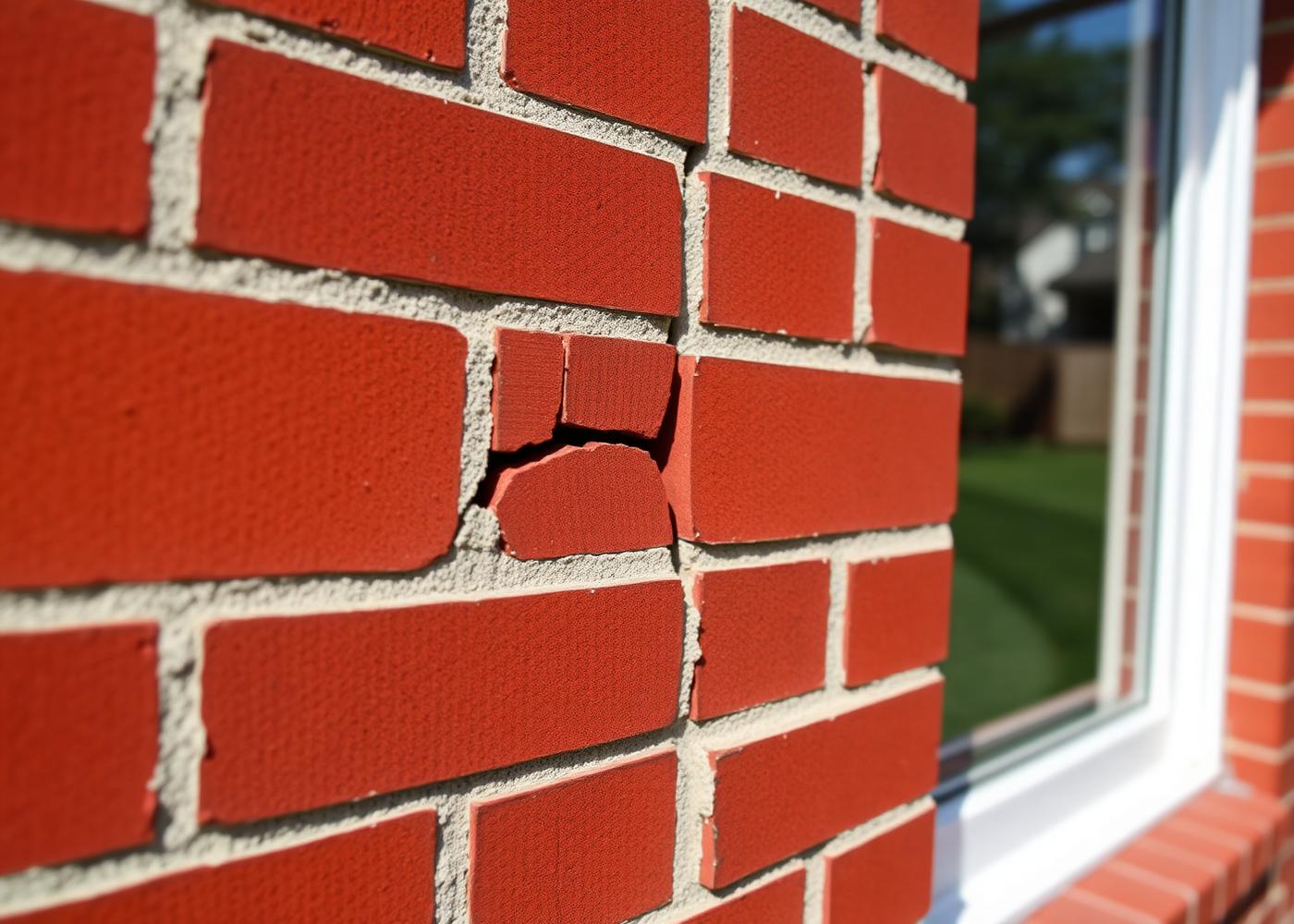
Stair-step separation following mortar joints up an exterior wall.
Foundation Gaps
Daylight or caulk splits where brick meets slab, trim, or chimney.
Sinking Areas
One corner, an added room, or a garage settling below the rest.
The Oklahoma variable
Clay soil is the reason, and the weather is the trigger
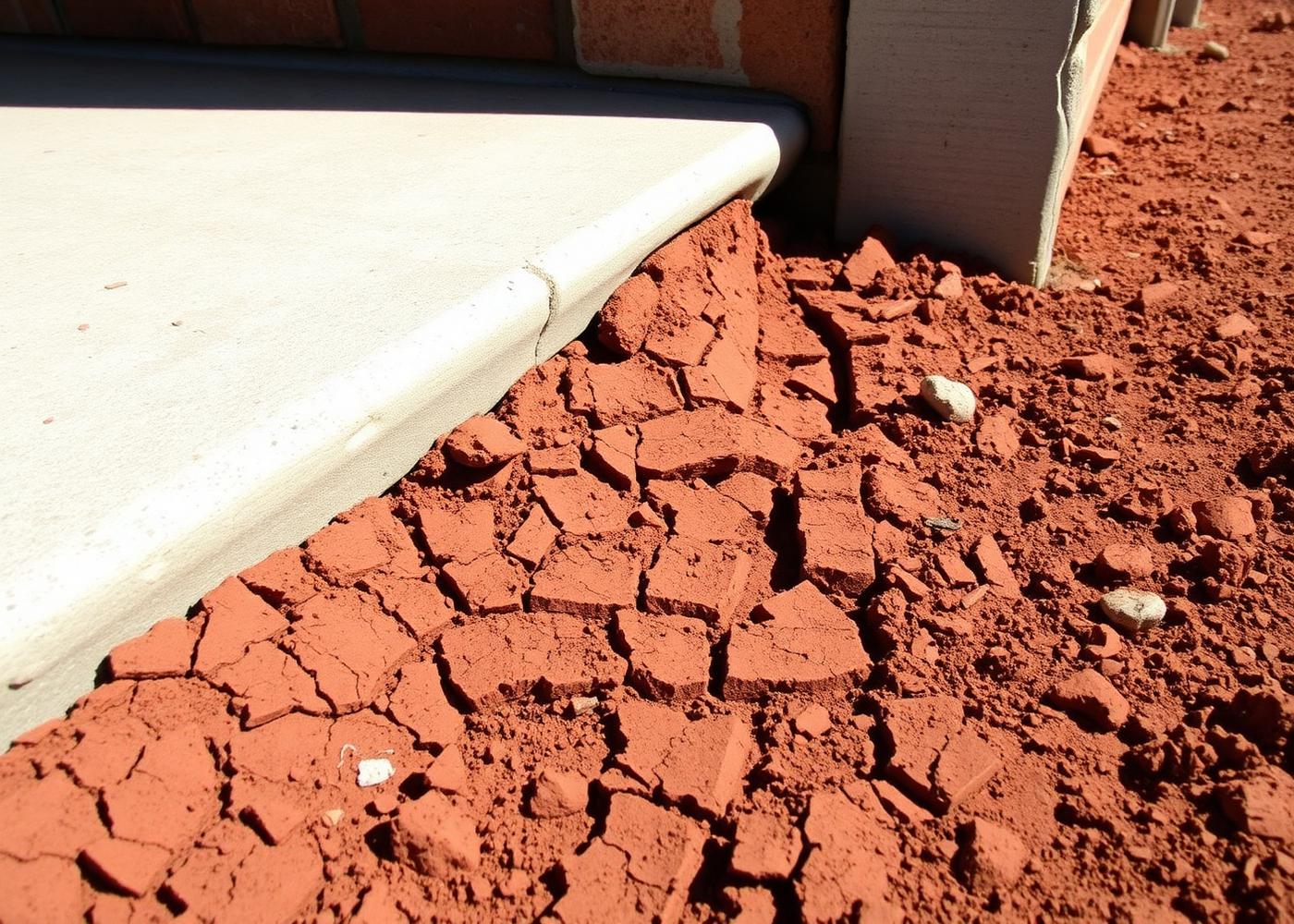
Red clay holds water like a sponge and gives it up slowly. Through a July dry stretch the clay under a slab loses moisture, contracts, and drops away from the footprint of the house — usually worst at the perimeter, where sun and tree roots pull hardest. When storms return, the same clay swells and pushes back up.
Concrete tolerates a lot of that cycling. What it does not tolerate is uneven cycling: a shaded north wall staying damp while a south-facing corner bakes. That differential is what tears brick, racks door frames, and slopes a floor.
Fig. 2 — Shrink–swell cycle beneath a residential foundation
Repair solutions
Methods matched to how your house is built
Underpinning a settled slab and re-supporting a pier & beam floor are different jobs with different price tags. Read the method that fits your foundation before you talk to anyone.
Slab Foundation Repair
Post-tension and conventional slabs that have settled, curled, or cracked through.
Pier & Beam Repair
Older Oklahoma homes with sagging beams, rotted posts, and bouncy floors.
House Leveling
Bringing elevations back within tolerance without cracking the structure open.
Steel Push Piers
Hydraulically driven pipe piers that carry load to firmer strata below.
Helical Piers
Screw piles for porches, additions, and lighter structures needing support.
Foundation Crack Repair
Sealing and patching once the movement behind the crack is understood.
Start here
Which type of foundation does your home have?
Oklahoma housing stock splits fairly cleanly: postwar and older neighborhoods lean pier & beam, while anything built from the 1970s on is usually slab-on-grade.
Concrete Slab
Poured flat on grade, no crawl space, plumbing routed through the concrete. Movement shows up as cracked slab edges and racked door frames.
See slab repair →Pier & Beam
Floor framing carried on beams and piers above a crawl space. Symptoms feel springy and often start with one sagging room.
See pier & beam repair →Not Sure
Plenty of homeowners don't know, and that's fine. Describe what you see and someone on site can identify the system in a few minutes.
Check my foundation →How this works
Four steps, no pressure
- STEP 01
Tell Us What You're Seeing
A crack photo, a sloping hallway, a door that won't shut. Rough detail is enough to start.
- STEP 02
Request a Free Estimate
Share your city or ZIP and how you'd like to be reached. Seven fields, no account.
- STEP 03
Review Repair Options
Understand whether you're looking at crack sealing, added supports, or underpinning — and the range each carries.
- STEP 04
Get Connected With a Local Professional
Your request goes to a foundation repair contractor covering your area for the on-site assessment.
Budget orientation
What Oklahoma homeowners typically spend
These are market ranges gathered to help you sanity-check a bid, not quotes. Pier count, access, foundation type, and how far the house has moved drive the real number.
| Scope | Approximate range |
|---|---|
| Minor crack repair | $250 – $800 |
| Per installed pier | $1,000 – $3,000 |
| Moderate repair project | $2,000 – $15,000 |
| Large stabilization / underpinning | $20,000+ |
Service area
Where we connect homeowners today
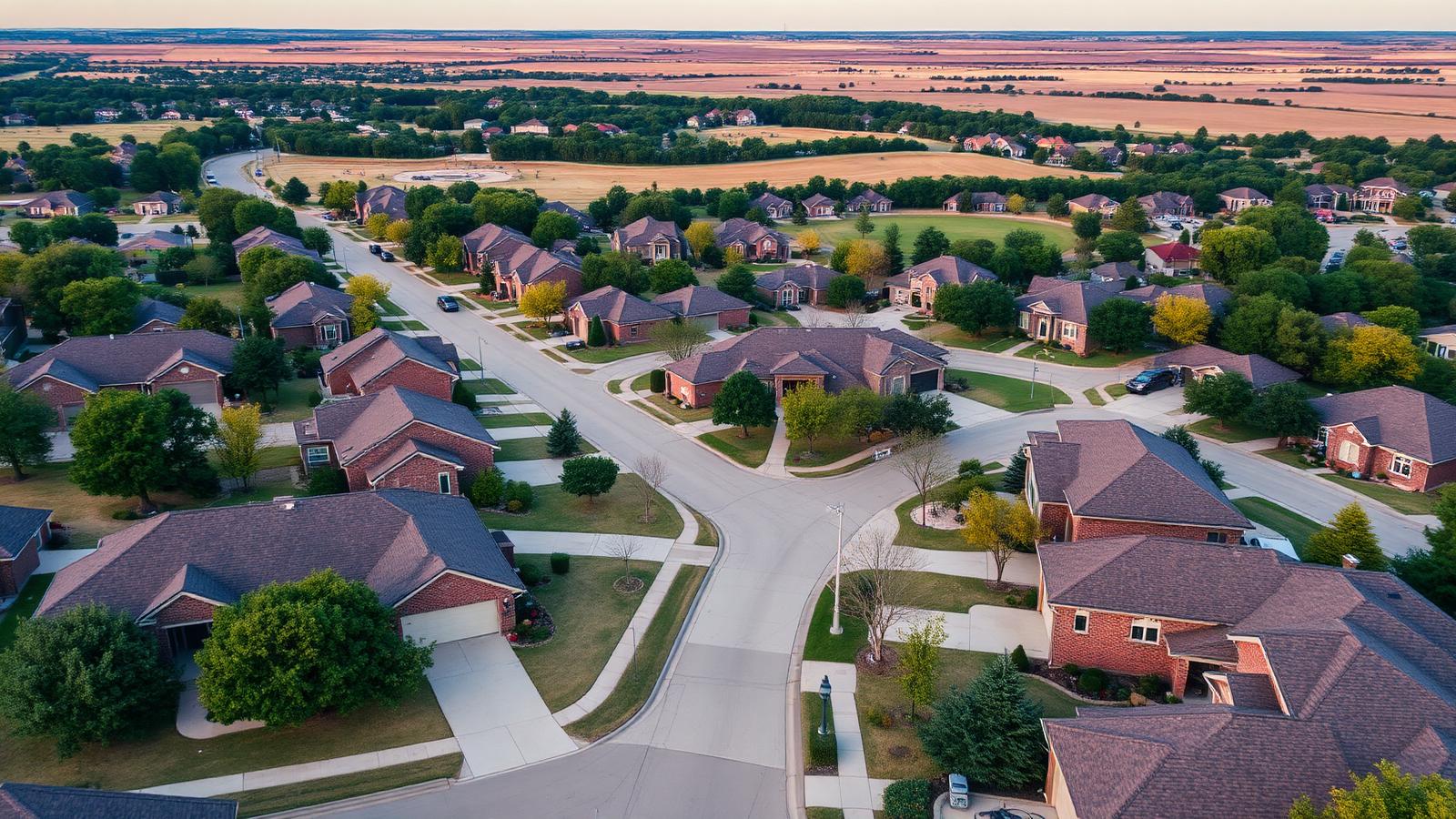
Coverage follows Oklahoma's two big metros and the fast-growing suburbs around them, plus Lawton in the southwest. Each city page covers the housing stock and soil behavior specific to that area.
Free, no obligation
Concerned about cracks or uneven floors?
Describe the symptoms and where the house is. We route the request to a foundation repair professional who works that part of Oklahoma and can put eyes on it.
Not ready to submit anything yet?
Read how clay soil drives settlement across the state, then come back with better questions.
Oklahoma foundation questions we hear most
Why do so many Oklahoma homes end up with foundation movement?
Much of the state sits on clay-rich soils that change volume with moisture. A hot, dry Oklahoma summer pulls water out of that clay and the ground shrinks; a wet fall or a stretch of heavy storms puts the water back and the ground swells. Slabs and pier footings ride on top of those changes, and when the movement isn't even across the house, the frame shows it.
Is every crack in my wall a foundation problem?
No. Hairline cracks at drywall seams, above door headers, or in ceiling texture often come from framing shrinkage and seasonal humidity. Cracks that widen at one end, run diagonally through masonry in a stair-step pattern, or reopen every summer are the ones worth measuring.
Does Oklahoma require a licensed engineer for foundation repair?
Oklahoma does not have a single statewide foundation-repair license, so requirements come down to municipal permitting and the scope of work. Many homeowners choose to have a licensed professional engineer write a repair plan for underpinning projects, and several contractors will work from an engineer's letter. Ask any company how they document their scope before signing.
What time of year is best for foundation work in Oklahoma?
Repairs happen year-round here. Late summer, after the soil has dried and shrunk, is when symptoms are usually most visible, which is why call volume spikes in August and September. Crews can install piers in winter as long as the ground isn't frozen solid.
Will fixing the foundation stop the cracks from coming back?
Stabilization addresses the support under the house. Cracks in drywall, brick, and trim are cosmetic damage from earlier movement and get patched afterward. If drainage keeps soaking one corner of the house, that has to be corrected too, or the soil keeps cycling.
How does Foundation Fix US fit into this?
Foundation Fix US is a homeowner foundation-repair information and estimate-request service. We publish plain-English explanations of Oklahoma soil behavior and repair methods, then hand your request to foundation repair professionals working in your city. We don't run crews or sell equipment.